Case study 01 · Product development
Silicone Products & Mold System
A collection of tactile squeeze toys developed through digital sculpting, 3D-printed masters, silicone molds, hands-on casting, and customer feedback.
At a glance
- What I made
- Printed masters and mold walls, silicone molds, physical casts, finished products, and product photography.
- My contribution
- Independent modeling and fabrication. Most organic forms used Nomad Sculpt; SolidWorks supported a related mold-design study.
- What the evidence shows
- Original process photographs and physical products. No quantified yield, durability, or production-tolerance study is claimed.
Context
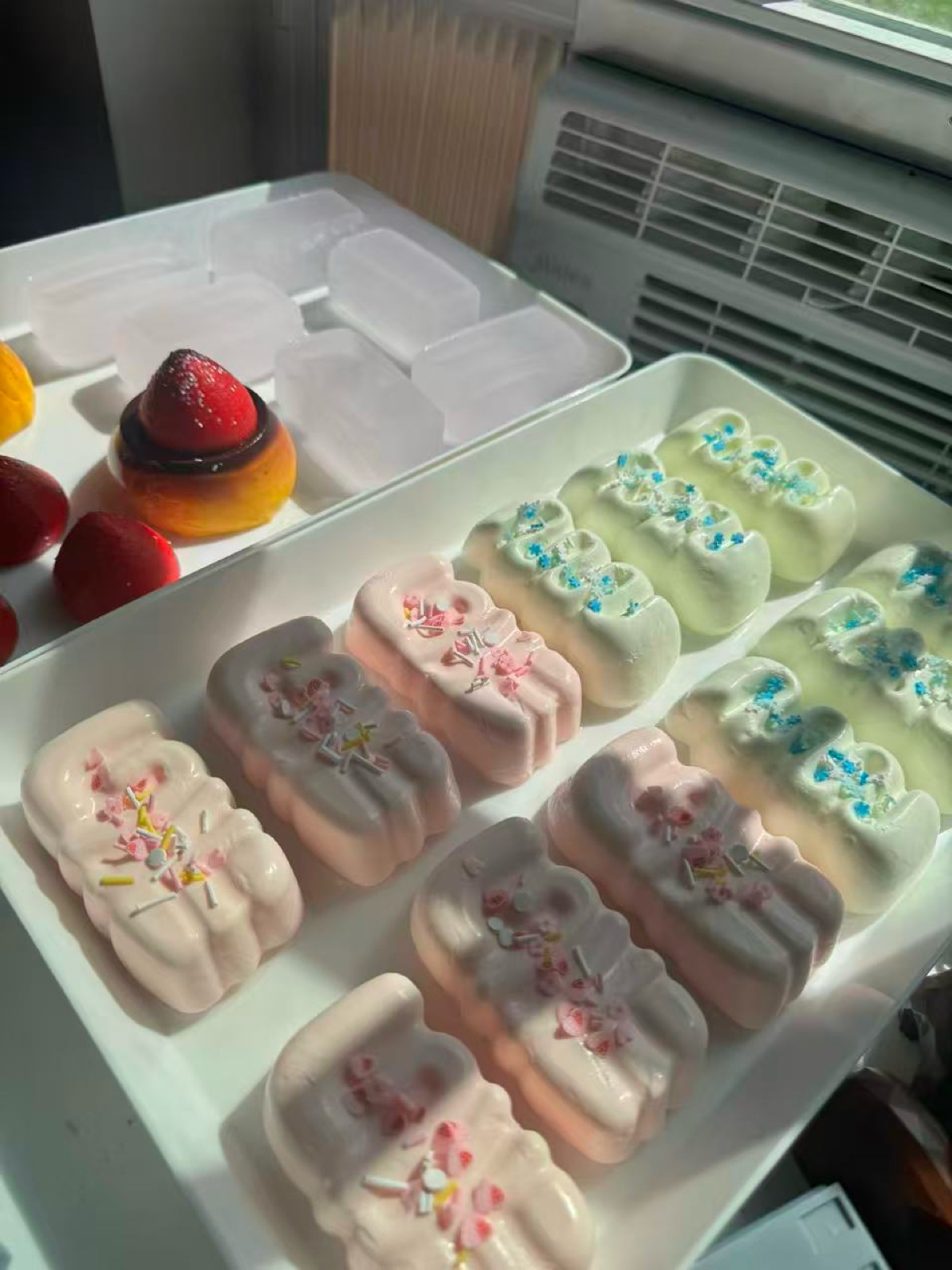
I built this collection while running Xiaoxi Studio, exploring how soft, familiar shapes could become objects people want to hold. The design problem was practical as well as visual: each concept had to survive printing, mold making, repeated casting, finishing, photography, and shipment.
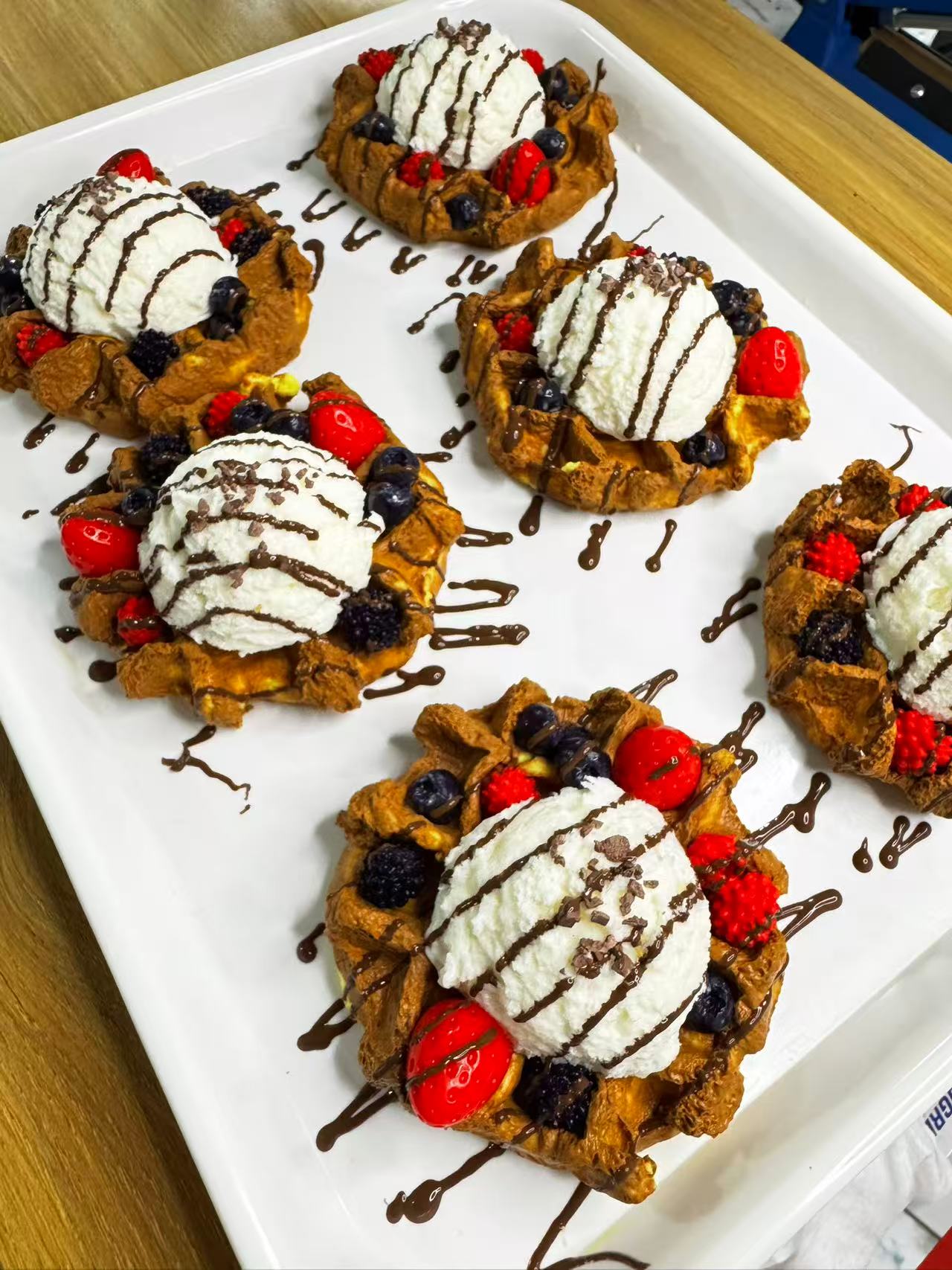
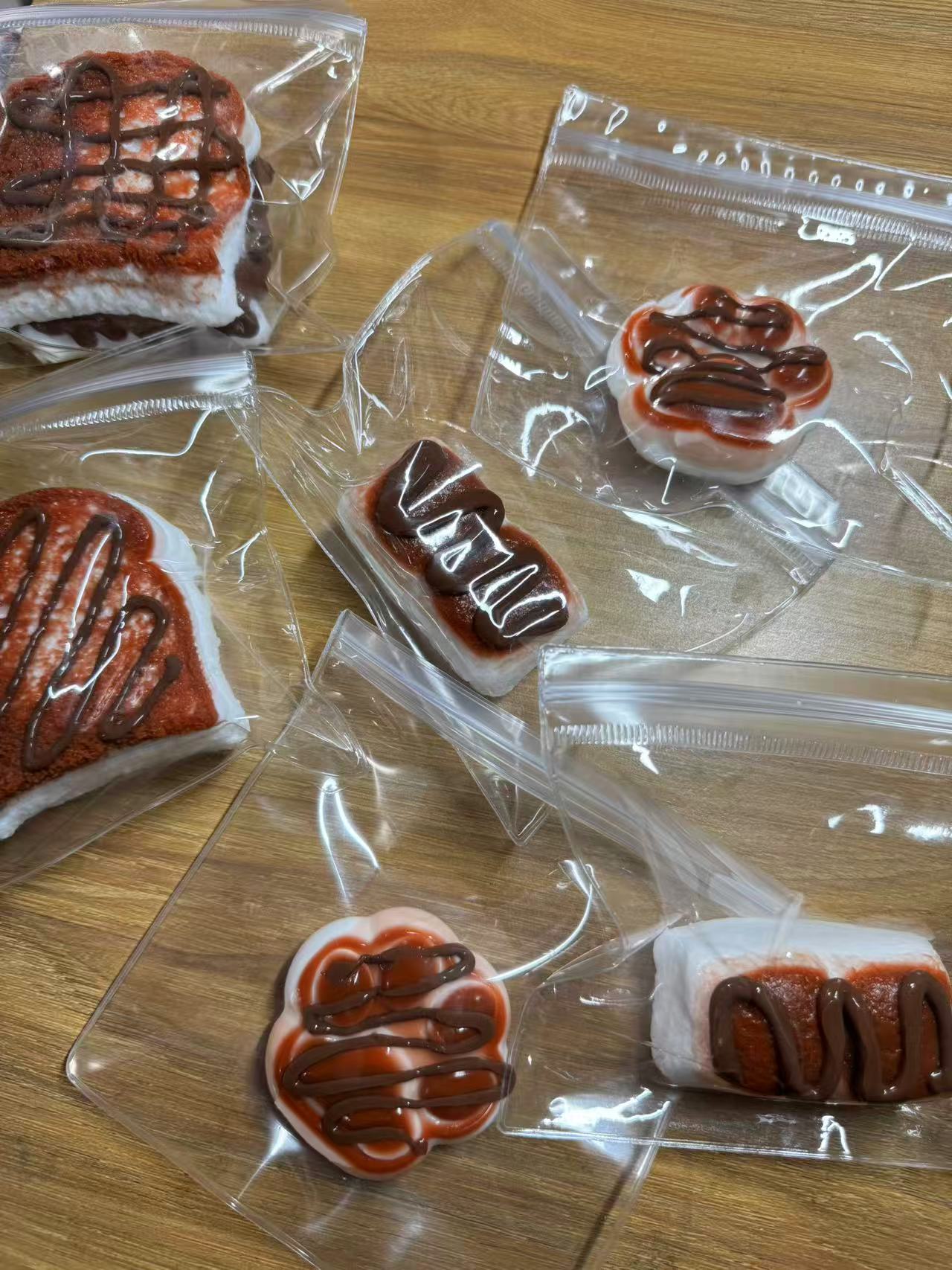
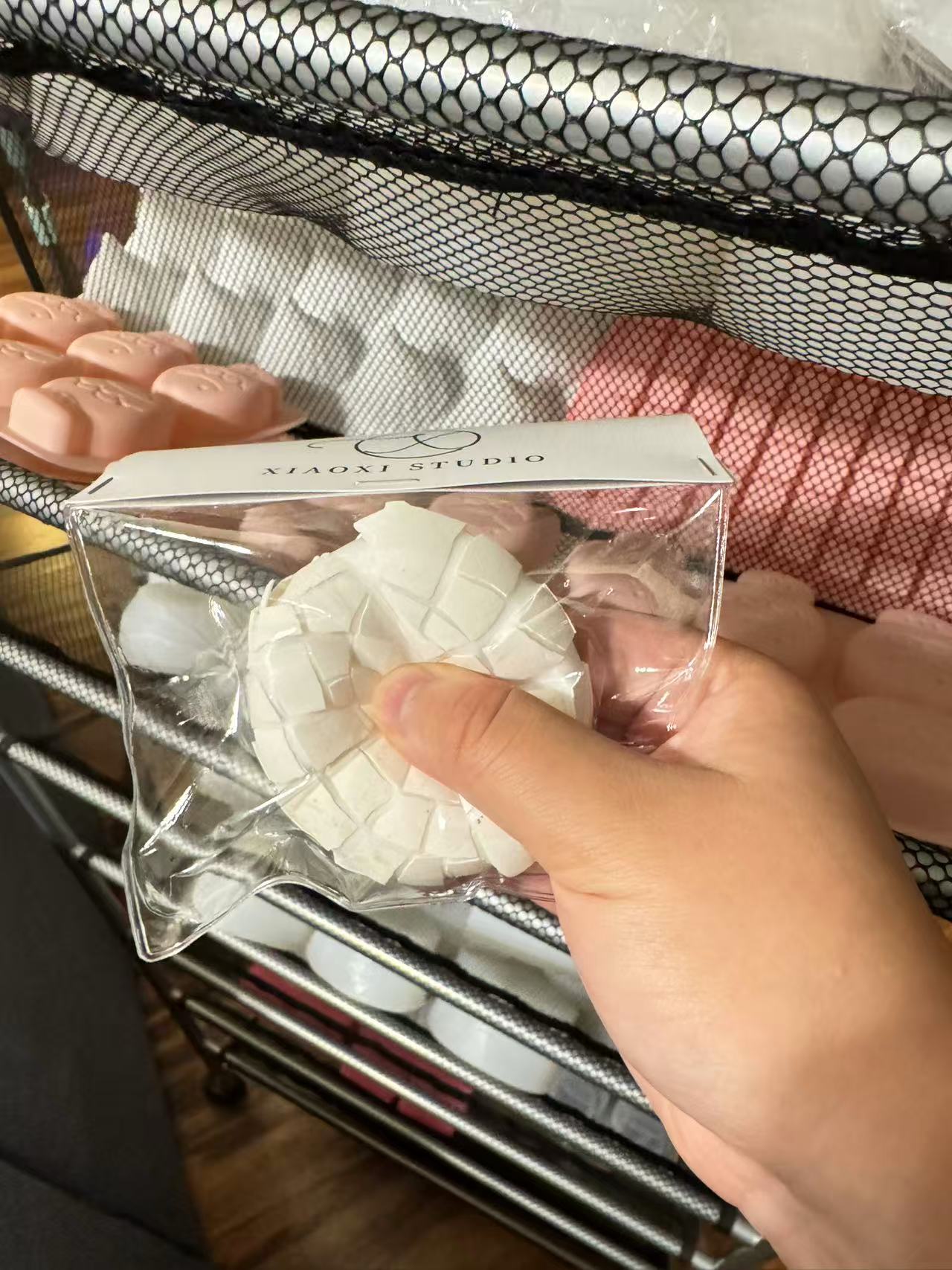
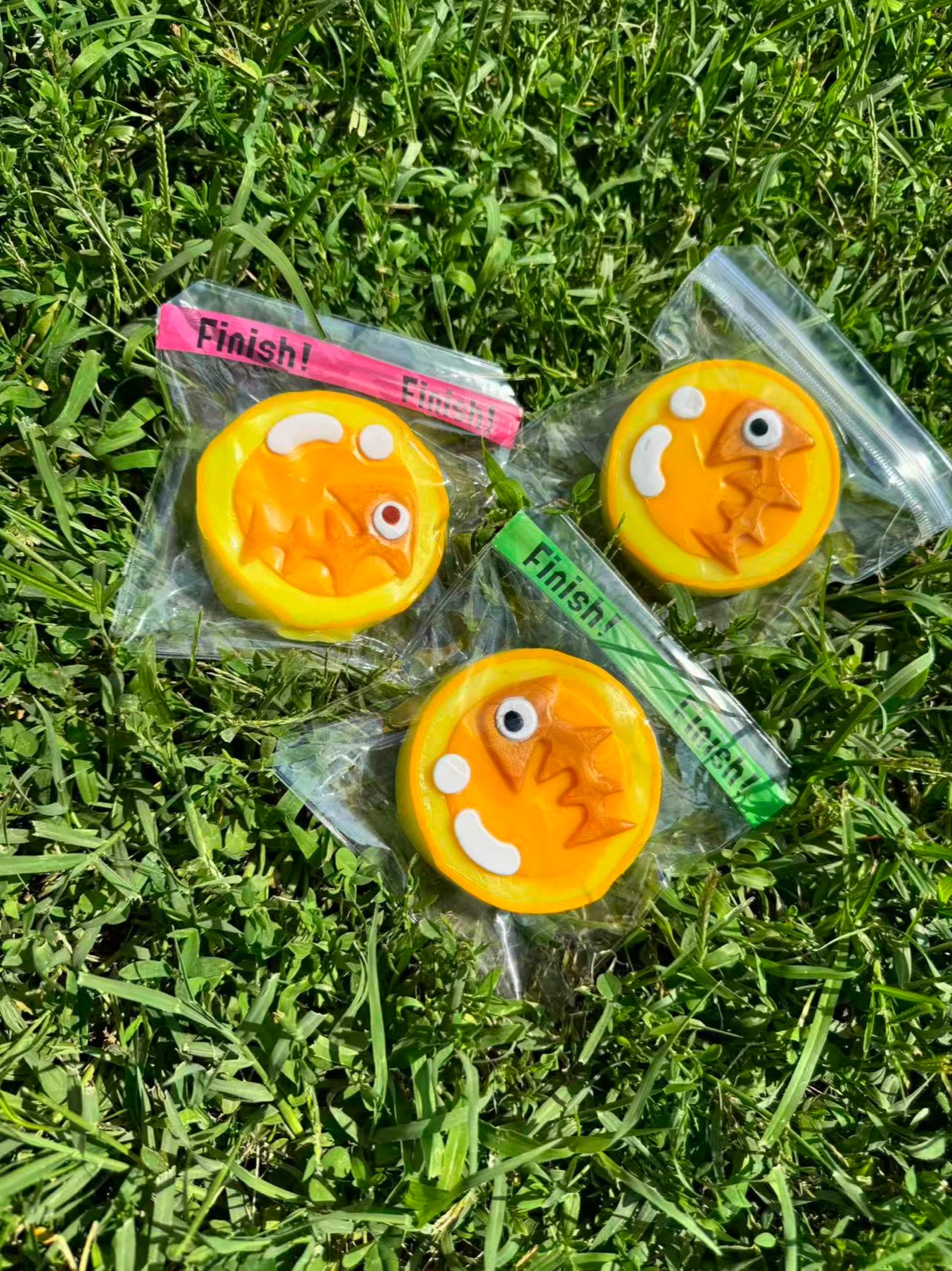
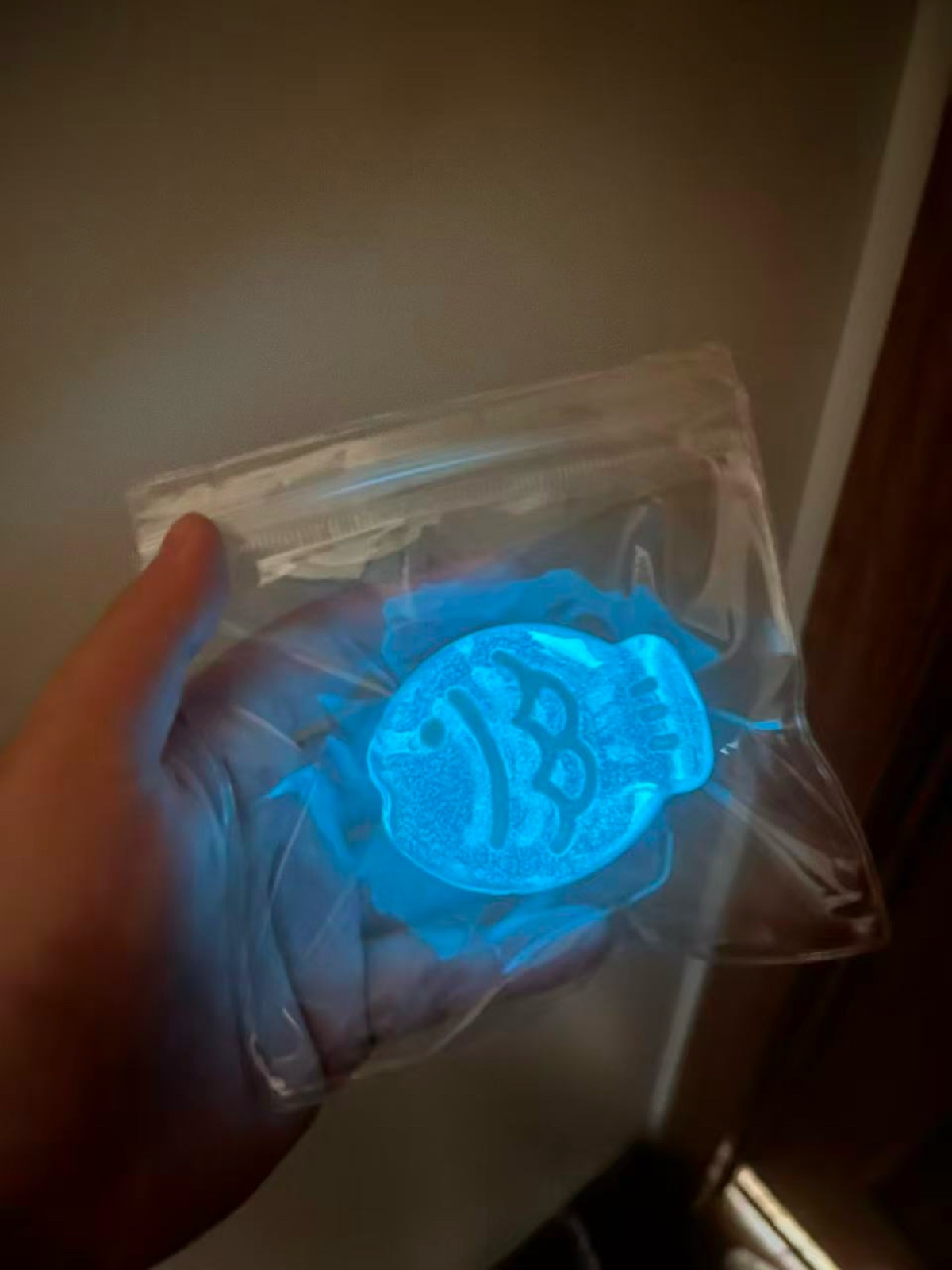
I later assembled a ten-piece Healing Art exhibition proposal that brought together pastry, mochi, eggshell, and glowing-fish variations as tactile work.
Process
Digital form to physical master
I sculpted most organic forms in Nomad Sculpt and used SolidWorks for a related mold-design project. I resin-printed detailed master forms and used a Bambu Lab P1S to print PLA mold walls and supports.
Tooling and casting
I finished the masters, assembled the mold enclosures, poured liquid silicone to make reusable molds, and cast the finished squeeze toys. Repeated trials exposed sizing, cure, release, air-bubble, and surface-finish problems that I had to work through by hand.
One documented iteration
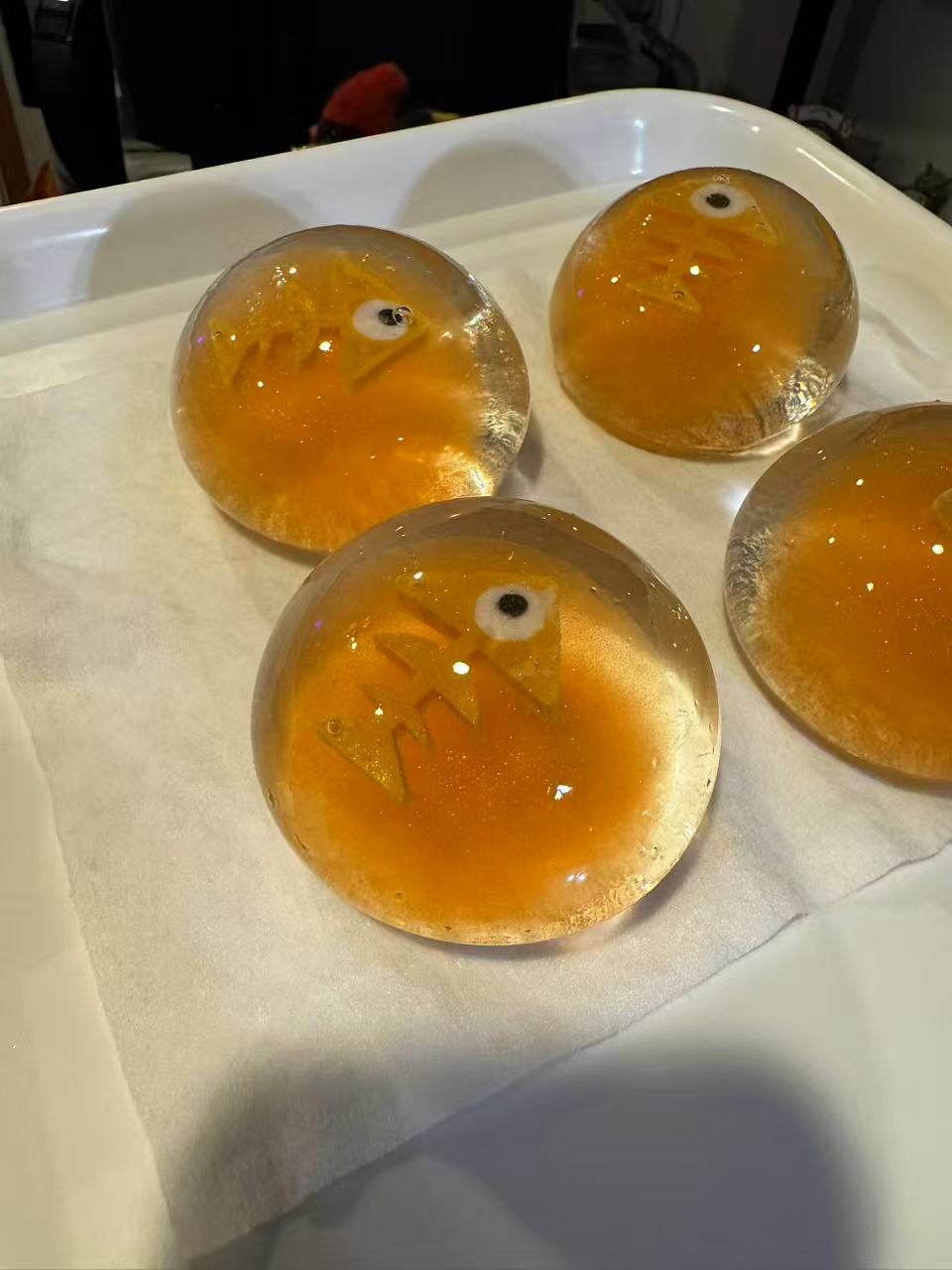
My fish-egg squeeze toy moved through visibly different versions. The larger 2.0 version improved the hand feel, but still showed small bubbles; subsequent batches became more consistent as I refined the casting process.
From object to customer
I photographed the products, wrote listings, maintained Etsy and an independent storefront, responded to customers, and packaged and shipped orders. Posts on Xiaohongshu documented the design and making process and brought direct questions from potential buyers.
Documented making sequence · 2024
One relief, from model to silicone.
I modeled the relief and mold enclosure, prepared the prints, finished the master, made the silicone mold, and cast the piece. These are original process photographs, not generated mockups.
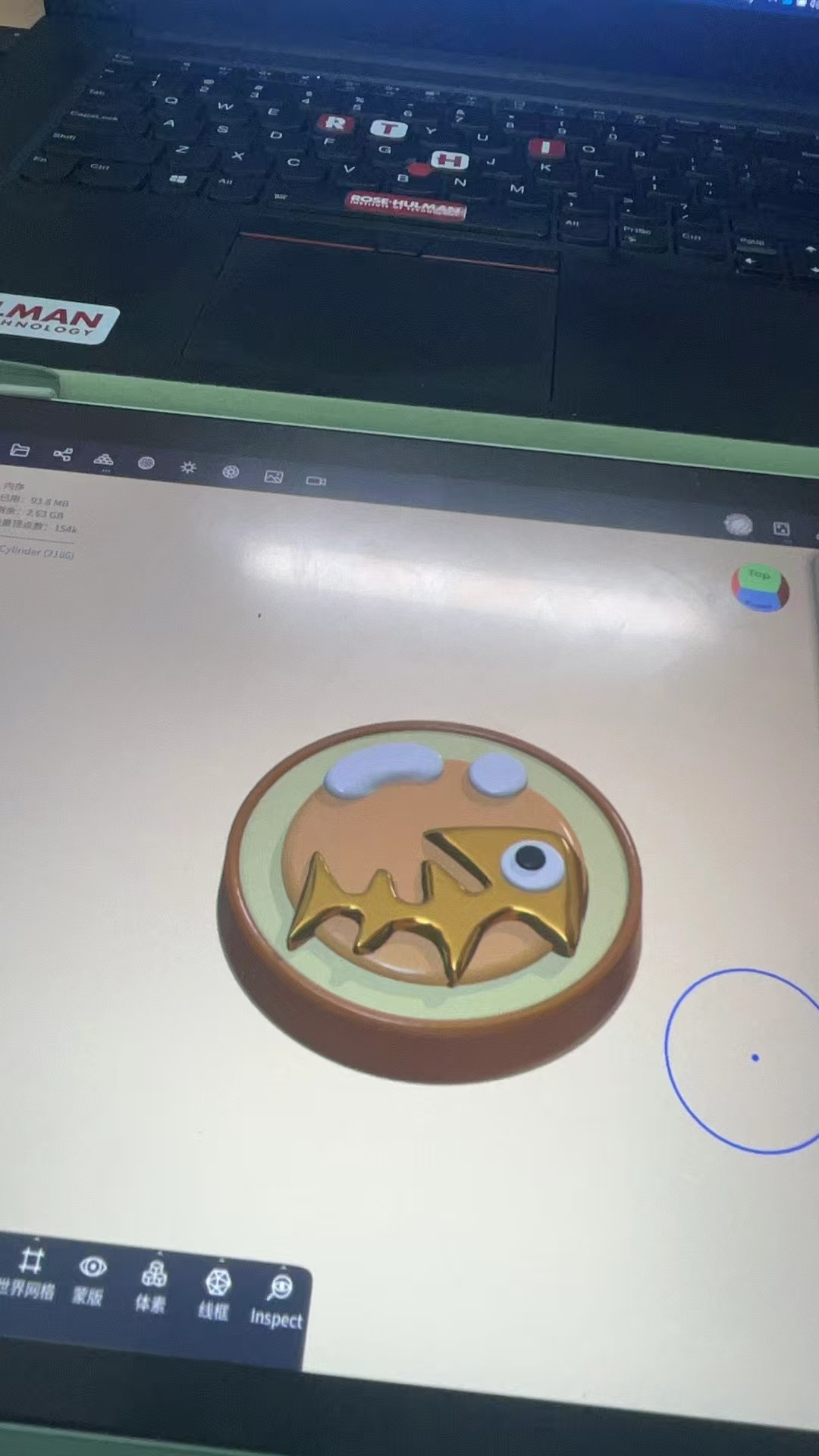
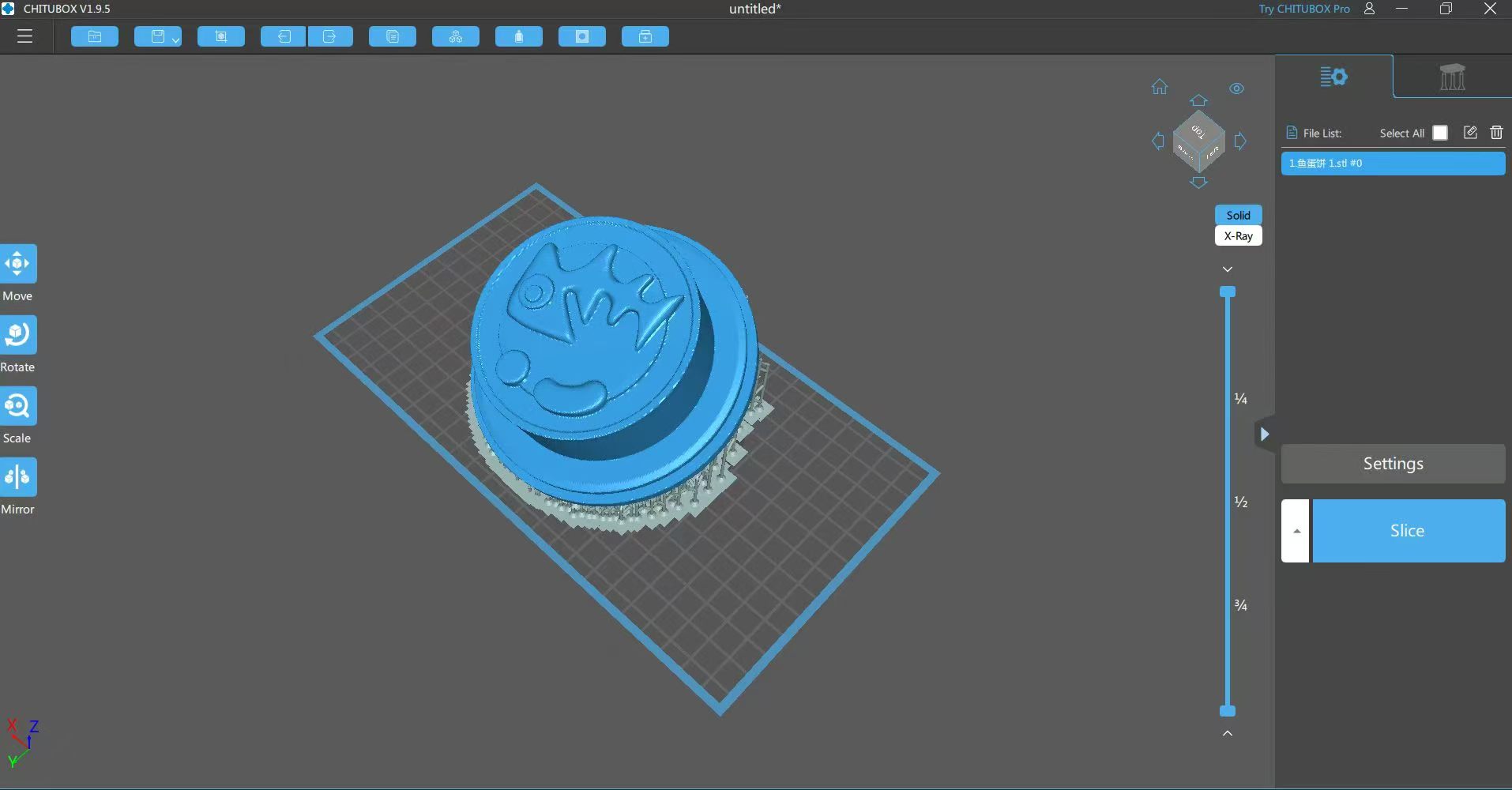
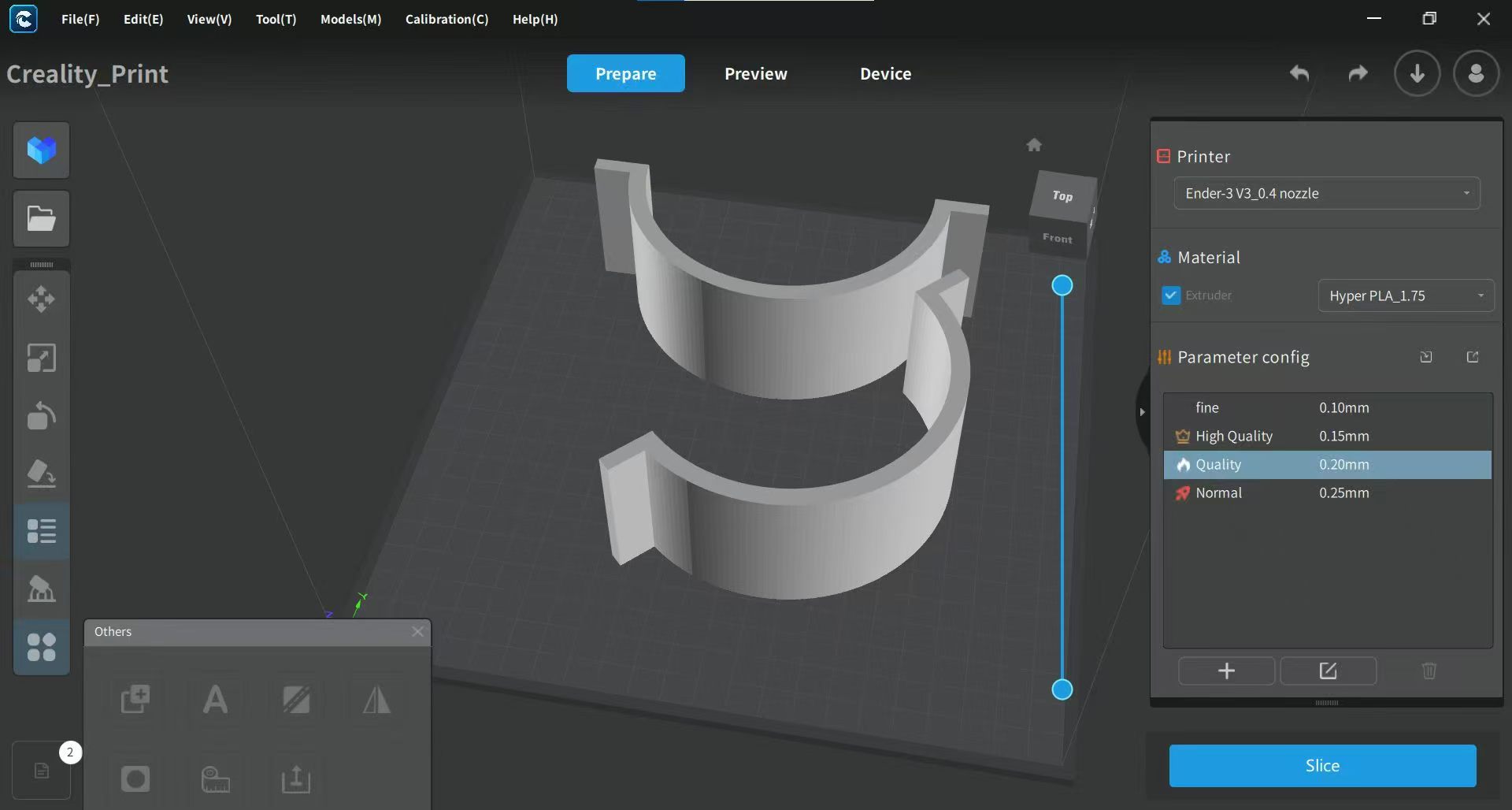
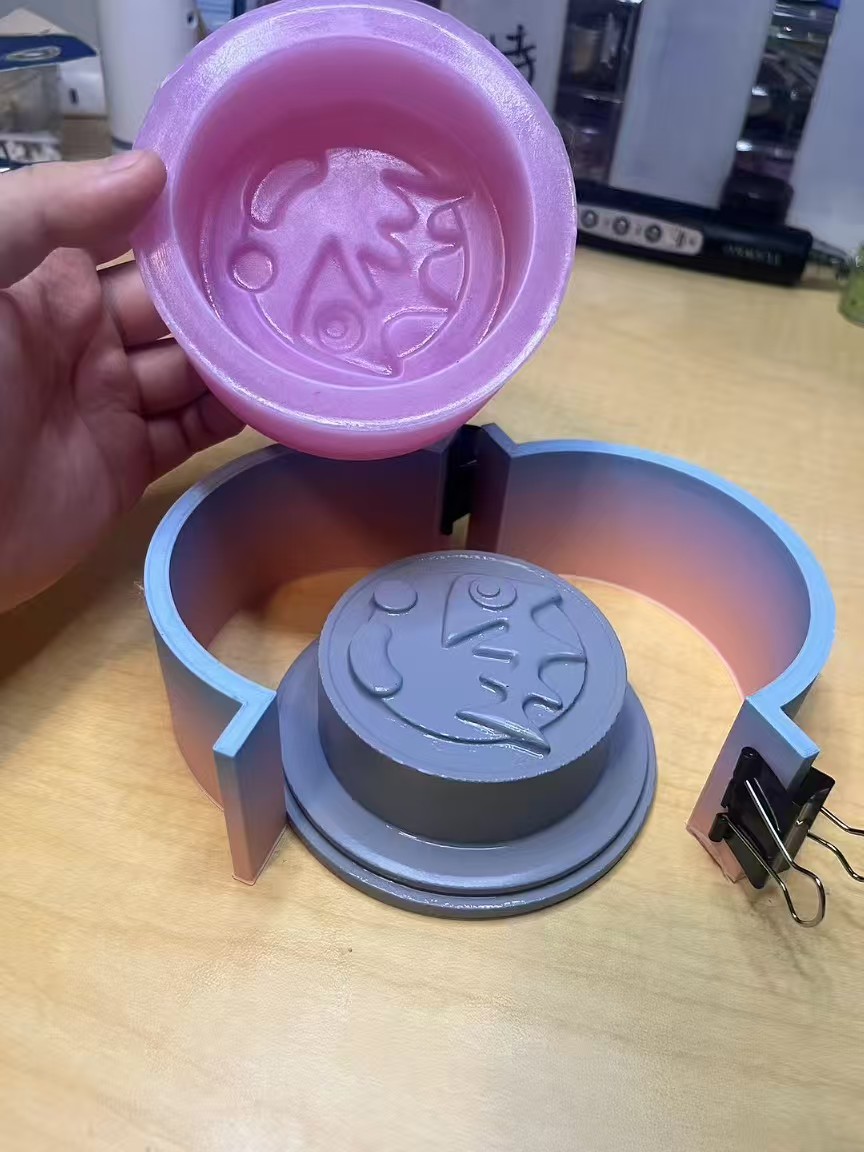
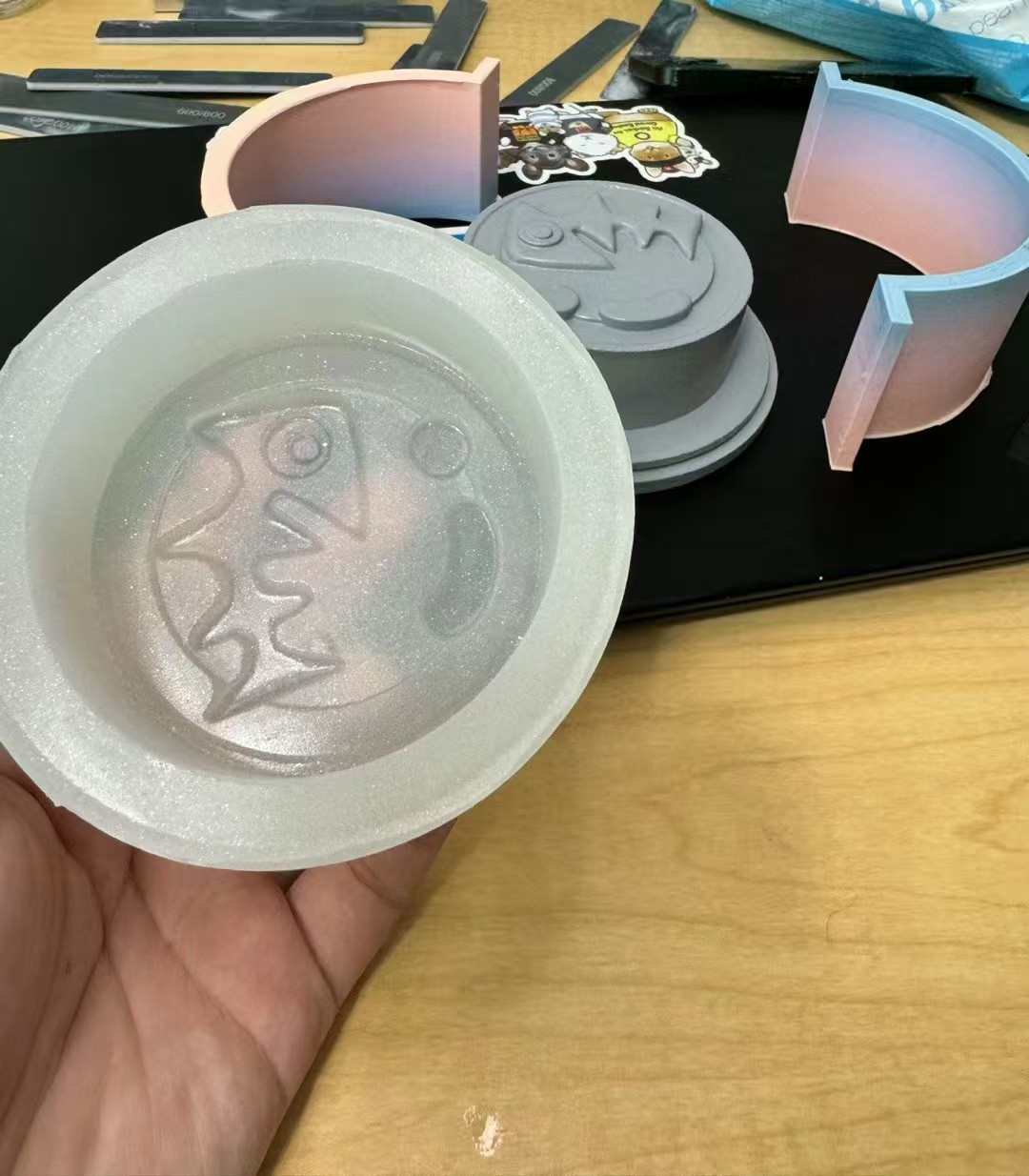
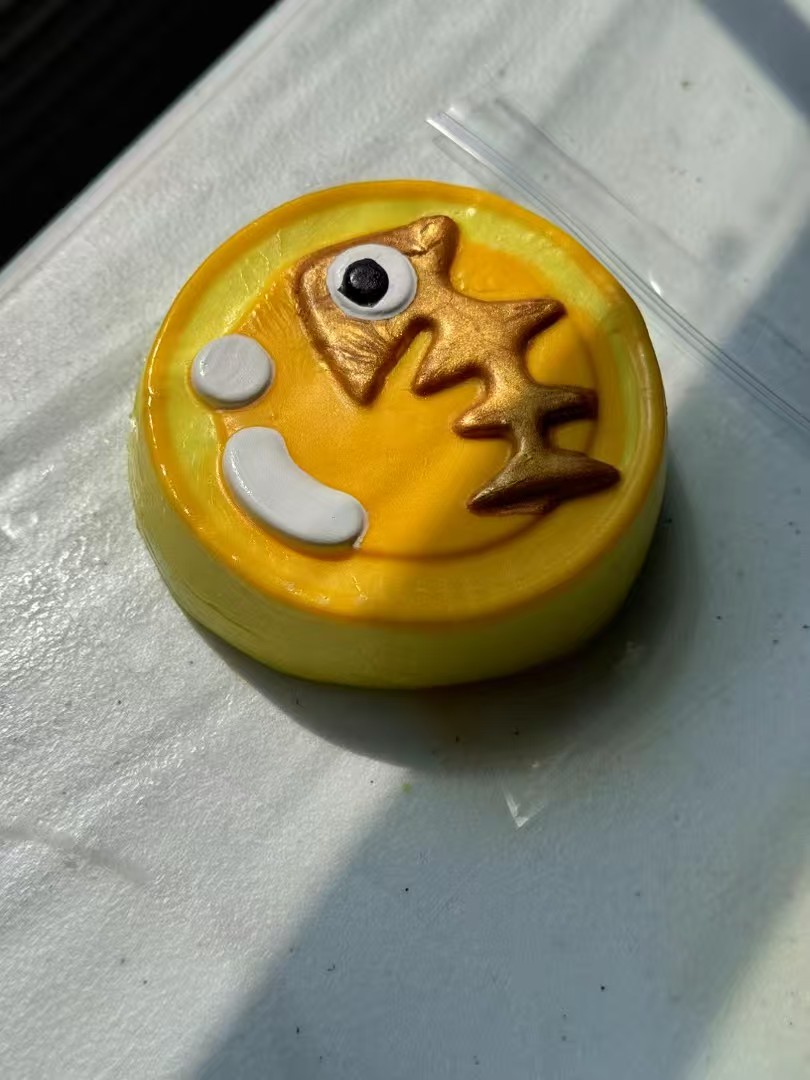
My process notes record repeated trials with curing, mold dimensions, contact-surface inhibition, and surface finish. This sequence documents my own modeling and fabrication work.
Tools
Nomad Sculpt, SolidWorks (related mold study), resin printing, Bambu Lab P1S, PLA printing, OrcaSlicer, Bambu Studio, CHITUBOX, liquid silicone mold making, hand finishing, product photography, and ecommerce tools.
Outcome
The most useful outcome for my design practice was a repeatable path from model to mold to finished object, with real customer questions shaping how I photographed, described, packaged, and refined the products.
Historical Etsy shop-wide snapshot, viewed October 20, 2026: 52 sales, 25 reviews, and a 5.0 shop rating across all product lines. These are not silicone-only orders or freelance-service reviews.
Owner-reported historical storefront total: 13 orders. This describes the independent store as a whole, not this project’s individual performance; it has not been independently audited here.
The collection
Explore the objects.
Sales are paused. Explore the collection as a preview of past work.
Explore the collection →Your idea
Discuss a product or prototype.
A general inquiry does not reserve a product or begin paid work.
Discuss a Future Project →